Essential Roofing Maintenance Tips for Homeowners
- pxrkerquinnmedia
- May 19
- 4 min read

Maintaining your roof is crucial for the longevity of your home. A well-maintained roof not only protects your home from the elements but also enhances its aesthetic appeal and value. Neglecting roof maintenance can lead to costly repairs and even structural damage. In this blog post, we will explore essential roofing maintenance tips that every homeowner should know to keep their roofs in top condition.

Understand Your Roof Type
Before diving into maintenance tips, it’s important to understand the type of roof you have. Different roofing materials require different care. Here are some common types:
Asphalt Shingles: These are the most common roofing materials. They are durable but can be susceptible to wind damage.
Metal Roofing: Known for its longevity, metal roofs require less maintenance but should be inspected for rust and loose seams.
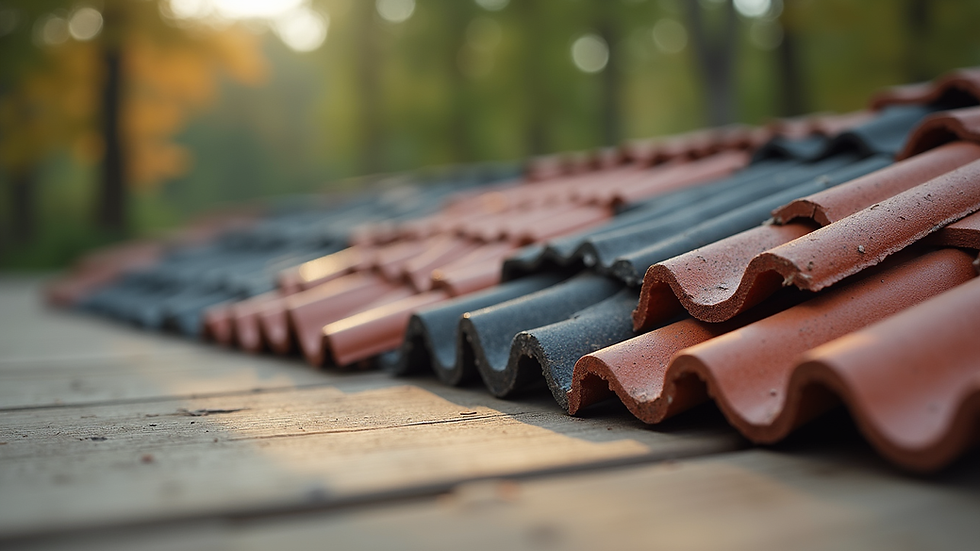
Tile Roofing: While tile roofs are aesthetically pleasing and durable, they can be heavy and may require professional inspection.
Flat Roofing: Flat roofs need regular inspections for pooling water and debris.
Understanding your roof type will help you tailor your maintenance efforts effectively.
Regular Inspections
Conducting regular inspections is one of the most important aspects of roof maintenance. Here’s how to do it:
Frequency: Inspect your roof at least twice a year, ideally in the spring and fall. After severe weather events, conduct an inspection as well.
What to Look For: Check for missing or damaged shingles, rust spots on metal roofs, and cracks in tiles. Look for signs of wear around chimneys, vents, and skylights.
Safety First: If you are not comfortable climbing onto your roof, consider hiring a professional to conduct the inspection.
Clean Your Roof
Keeping your roof clean is essential for preventing damage. Here are some cleaning tips:
Remove Debris: Regularly clear leaves, branches, and other debris from your roof. This helps prevent mold growth and water pooling.
Moss and Algae: If you notice moss or algae, use a mixture of water and bleach to clean it off. Be cautious not to damage the roofing material.
Gutters: Clean your gutters at least twice a year. Clogged gutters can lead to water damage and roof leaks.
Address Repairs Promptly
If you notice any issues during your inspections, address them immediately. Delaying repairs can lead to more significant problems down the line. Here are some common repairs:
Shingle Replacement: If you find missing or damaged shingles, replace them as soon as possible to prevent leaks.
Sealant Application: Check the sealant around chimneys and vents. If it appears cracked or worn, reapply sealant to prevent water intrusion.
Flashing Repair: Ensure that the flashing around chimneys and vents is intact. Damaged flashing can lead to leaks.
Insulate and Ventilate
Proper insulation and ventilation are crucial for maintaining your roof's integrity. Here’s what to consider:
Insulation: Ensure your attic is properly insulated to prevent heat from escaping. This helps maintain a consistent temperature and prevents ice dams in winter.
Ventilation: Adequate ventilation allows moisture to escape, reducing the risk of mold and rot. Install vents at the eaves and ridge of your roof for optimal airflow.
Be Mindful of Trees
Trees can pose a threat to your roof if not managed properly. Here’s how to mitigate risks:
Trim Overhanging Branches: Regularly trim branches that hang over your roof to prevent damage from falling limbs.
Remove Dead Trees: If a tree is dead or dying, consider removing it to avoid potential damage during storms.
Prepare for Seasonal Changes
Different seasons bring unique challenges for your roof. Here’s how to prepare:
Winter: Remove snow buildup to prevent ice dams. Use a roof rake to carefully remove snow from the edges of your roof.
Spring: Inspect for winter damage and clean gutters to prepare for spring rains.
Summer: Check for signs of wear and tear, especially after storms.
Fall: Clean leaves and debris from your roof and gutters to prevent blockages.
Hire Professionals When Needed
While many maintenance tasks can be done by homeowners, some situations require professional help. Here are instances when you should consider hiring a roofing contractor:
Major Repairs: If you notice significant damage or leaks, a professional can assess the situation and provide necessary repairs.
Installation of New Roof: If you are considering a roof replacement, hiring a professional ensures the job is done correctly.
Complex Issues: If you are unsure about the condition of your roof or how to address specific issues, a professional inspection can provide peace of mind.
Keep Records
Maintaining a record of your roof’s maintenance history can be beneficial. Here’s what to include:
Inspection Dates: Note when inspections were conducted and any findings.
Repairs Made: Document any repairs or replacements, including dates and costs.
Professional Services: Keep records of any professional services used, including contact information.
Having a detailed history can help you track the condition of your roof and assist in future decisions.
Conclusion
Maintaining your roof is an ongoing responsibility that pays off in the long run. By understanding your roof type, conducting regular inspections, cleaning, addressing repairs promptly, and preparing for seasonal changes, you can extend the life of your roof and protect your home. Remember, when in doubt, don’t hesitate to seek professional help. Your roof is a vital component of your home, and taking care of it ensures your home remains safe and secure for years to come.
Take action today by scheduling your next roof inspection or cleaning. Your future self will thank you!


Comments